November 18, 2026
Getting a roof replacement estimate can feel like a lot to take in at first glance. Line items, measurements, and roofing terms can make it hard to tell exactly what you're paying for or how one quote compares to another. Understanding the key pieces of an estimate helps you ask the right questions and feel confident about your investment. Below, we'll break down what goes into a roof replacement estimate in Florida and how working with an experienced roofing contractor like ours helps you get a clear, accurate picture of your project.
Measuring Your Roof in Squares
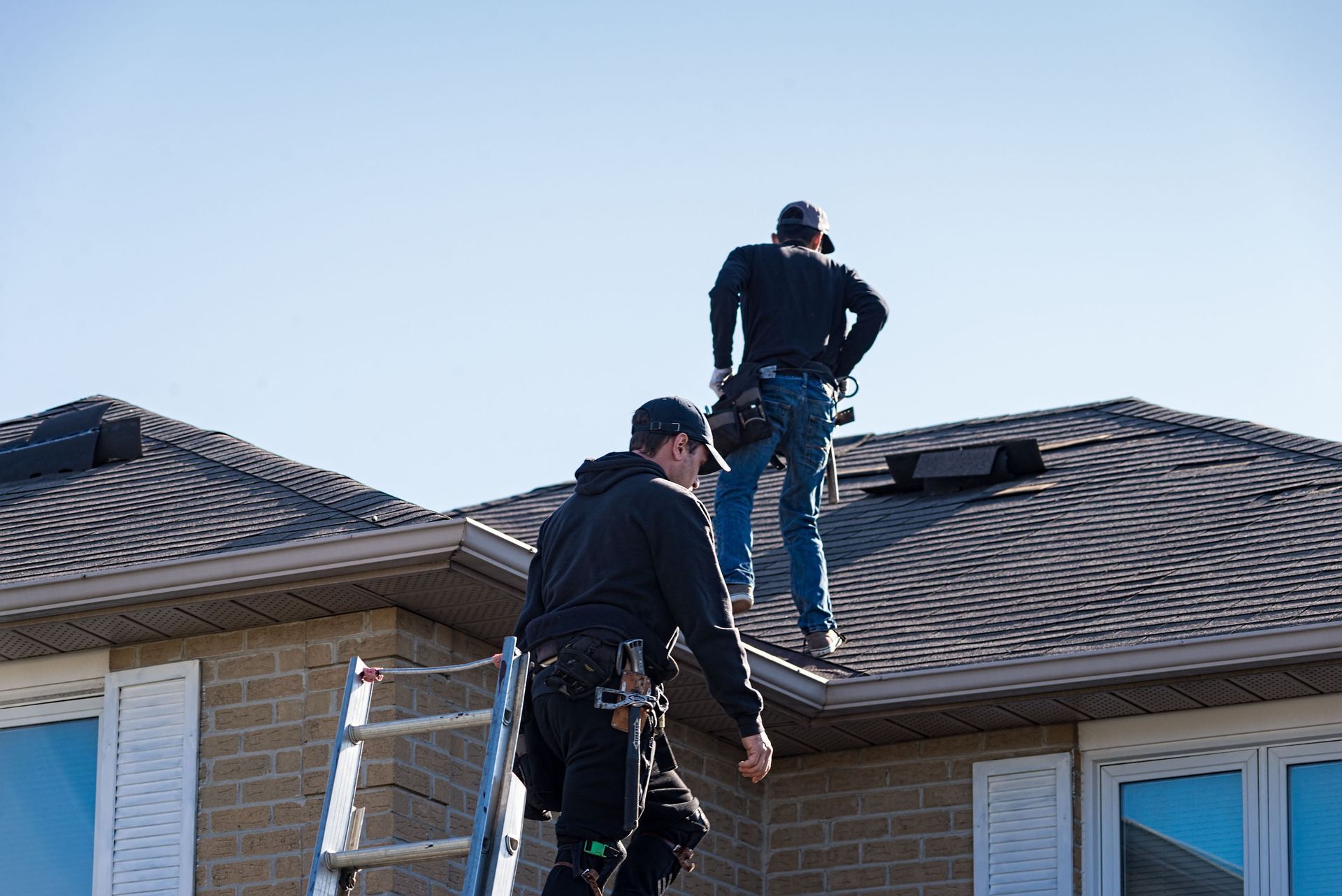
Every estimate starts with an accurate measurement of your roof. According to This Old House, contractors measure roofs in squares, which determines how many shingles your home needs per 100 square feet. In other words, one roofing square covers 100 square feet of roof surface. A typical home may have anywhere from a few dozen squares to many more, depending on its size and design. Accurate measurements help determine how much material to order, how much waste to account for, and how long the job may take. As your roofing contractor, we measure carefully so your estimate reflects the real size of your roof rather than a rough guess.
Choosing Your Roofing Material
The type of roofing material you choose has a major impact on your estimate. Asphalt shingles are a popular and budget-friendly option for many Florida homes, while metal roofing offers excellent durability and strong performance in high winds. Flat roofs and TPO systems are often used on low-slope areas like porches, additions, and some modern home designs. Each material comes with different installation methods, lifespans, and price points. Thinking about your budget, your home's style, and how long you plan to stay can help you narrow down the best option. As a local roofing contractor, our team can walk you through the pros and cons of each material so you can make an informed choice. Color and finish also matter, since lighter roofs may reflect more of the Florida sun.
Accounting for Roof Pitch and Layout
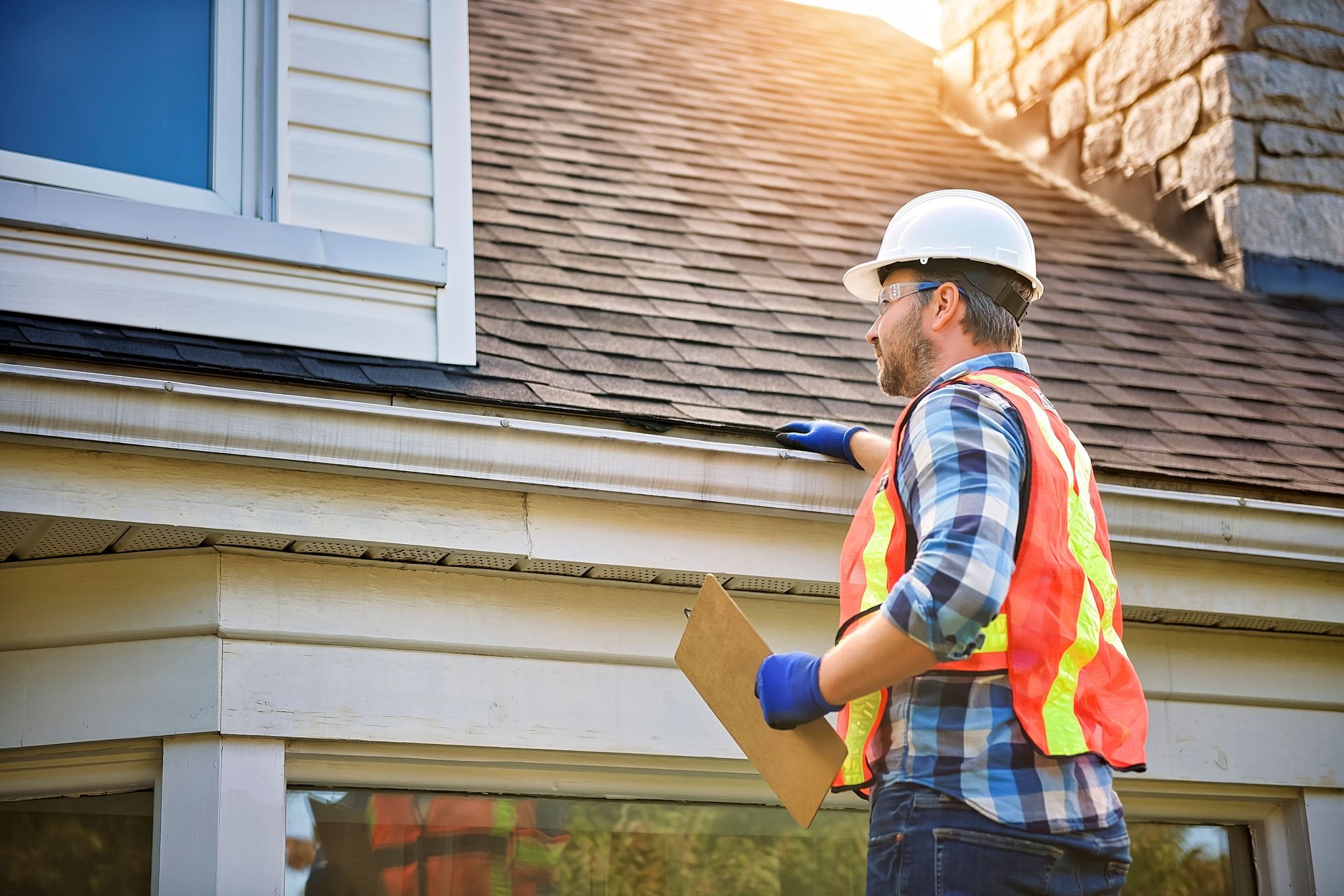
Two roofs with the same number of squares can still have very different estimates. Steeper roofs take more time and safety equipment to work on, which can affect labor costs. Roofs with multiple valleys, hips, dormers, chimneys, and skylights also require more cutting, flashing, and detail work. These features take extra care to seal properly, especially in a state that sees heavy rain and tropical storms. A detailed estimate should reflect the layout of your roof, not just its overall size. Understanding how pitch and design affect the job can help explain why quotes vary from home to home. It also shows why an in-person inspection gives a more accurate estimate than a quick online calculation.
Planning for Tear-Off and Disposal
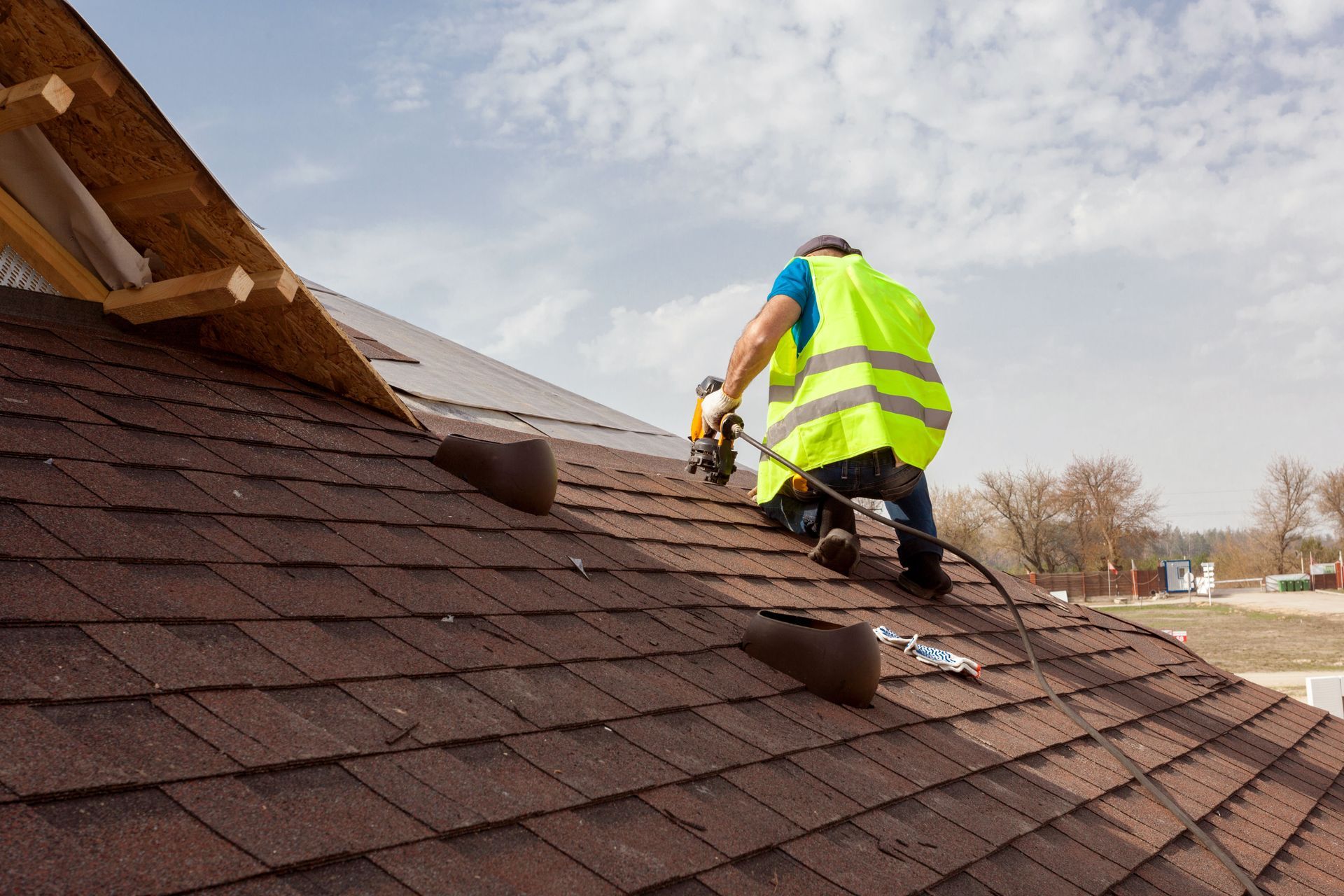
Most roof replacements begin with removing the old roofing materials down to the decking. This tear-off step allows the crew to inspect what's underneath and install the new roof on a clean, solid surface. Removing old shingles, nails, and underlayment creates a large amount of debris, so disposal is usually included as part of the estimate. The number of existing layers on your roof can also affect labor and disposal costs. A clear estimate should explain how tear-off and cleanup will be handled. Knowing what to expect helps you plan for the days your roof is being replaced. Protecting plants, driveways, and outdoor items during tear-off is another detail worth discussing ahead of time.
Inspecting and Replacing Roof Decking
The decking is the wood layer beneath your roofing materials, and it provides the foundation for the entire roof system. Once the old roof is removed, damaged or rotted decking may be discovered, especially if there have been past leaks. Because this damage often can't be seen until tear-off, many estimates include a price per sheet for any decking that needs to be replaced. Replacing weak or damaged decking is important for keeping your new roof secure and properly fastened. Asking your roofing contractor how decking repairs are handled helps you avoid surprises once the work begins.
Selecting Underlayment and Flashing
Underlayment is a protective layer installed between the decking and the roofing material. It acts as an added barrier against water, which is especially important in Florida's rainy climate and during hurricane season. Flashing is installed around chimneys, vents, skylights, and other areas where the roof meets a wall or opening. Both play a major role in preventing leaks, even though they're hidden once the roof is complete. Higher-quality underlayment and properly installed flashing can add long-term protection to your home. Your estimate should list these components so you know they're included in the job. Skipping or downgrading these layers can save a little upfront but may lead to costly leaks later.
Improving Roof Ventilation
Proper ventilation helps your roof and attic manage heat and moisture. In Florida's hot, humid climate, poor airflow can trap heat in the attic, raise cooling costs, and shorten the life of your roofing materials. Ventilation also helps reduce moisture buildup that can lead to mold and wood rot. A roof replacement is a great time to evaluate your current ventilation and make improvements if needed. Ridge vents, soffit vents, and other options can help keep air moving through your attic. Including ventilation in your estimate helps your new roof perform better and last longer.
Meeting Florida Permit and Code Requirements
Roof replacements in Florida typically require permits and must meet local building code requirements. These rules are designed to help roofs better withstand high winds and severe weather. Permit fees, inspections, and code-related installation methods may all be reflected in your estimate. Working with an experienced roofing contractor like ours who understands local requirements helps your project move forward smoothly and pass inspection. Meeting code is about more than paperwork, since it can also affect how well your roof holds up during a storm. Be sure to ask how permits and inspections will be handled before work begins.
Reviewing Warranties and Final Details
Before you sign, take time to review the warranty information included with your estimate. Manufacturer warranties typically cover roofing materials, while workmanship coverage addresses the quality of the installation. Understanding what's covered, and for how long, gives you peace of mind long after the project is complete. You should also confirm the project timeline, payment terms, and cleanup expectations. A clear, detailed estimate shows that your roofing contractor is being upfront about the work ahead. Comparing estimates line by line can help you choose the best value, not just the lowest price.
At J & M Roofing Services, we're a family-owned company with more than 30 years of experience serving New Smyrna Beach, Volusia County, Palm Coast, and the surrounding areas of North and Central Florida. We install and repair asphalt shingle, metal, flat, and TPO roofs, and we also handle decking, ventilation, skylights, storm damage repair, and insurance claims assistance. Our free, no-obligation inspections are typically completed within 24 hours, and every project is backed by our 100% satisfaction guarantee. Ask about our $500 off full roof replacements and our $500 military discount. Contact J & M Roofing Services today to schedule your free roof inspection.